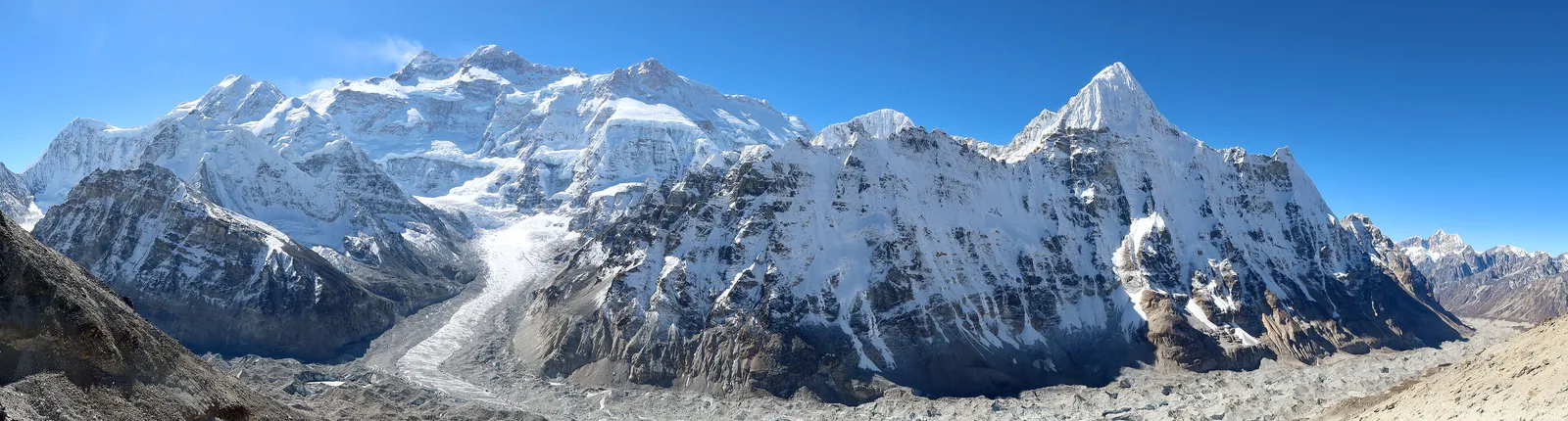
The Kangchenjunga massif from the air, the eastern Himalaya of Nepal

The 8,000 m peaks of Nepal

Above eight
thousand metres.

Nepal contains eight of the fourteen mountains on Earth that pass 8,000 metres — more than any other country. This is the high end of Himalayan mountaineering: the peaks, their first ascents, the lines they are climbed by, and what an expedition to each one actually asks of you.

8,848.86 m to 8,091 m 758 m of vertical range Reference page · not a booking list

What this page is

A reading of the
top of the country.

Himalayan Wild Trails is a fictional studio concept, and this page is an editorial reference rather than a programme of expeditions we run. It lists every Nepali peak above 8,000 m in descending order, records how each was first climbed and by which line it is normally climbed from Nepal, and describes the shape of an expedition to it.

Heights and first ascents are published records. Distances, days and seasons are indicative and change with conditions, permits and the judgement of the people on the mountain. Real expeditions are run by licensed Nepali operators with government-assigned liaison officers.

Looking for a trek instead?

The descent

Eight mountains,
one rope.

Nepal holds eight of the world's fourteen peaks above 8,000 metres. They are listed here from the top down, and the rope runs past every one of them. Keep scrolling and the climber descends with you, from the summit ridge of Everest to the north face of Annapurna.

Scroll to descend 758 m

01 Khumbu Mahalangur

Mount Everest

Sagarmāthā · Chomolungma

8,848.86 m29,032 ft

The highest point on Earth, and still a Nepali mountain before it is a statistic.

Everest is climbed from Nepal by the South Col route: the icefall, the Western Cwm, the Lhotse Face, the South Col and the final ridge. Almost all of the difficulty is in the weeks around the climb rather than the day of it — acclimatisation rotations, waiting for a weather window, and moving at a pace that the altitude allows.

First ascent
Hillary & Norgay, 1953
Nepal route
South Col
Expedition length
About 8 weeks
Best months
May · October
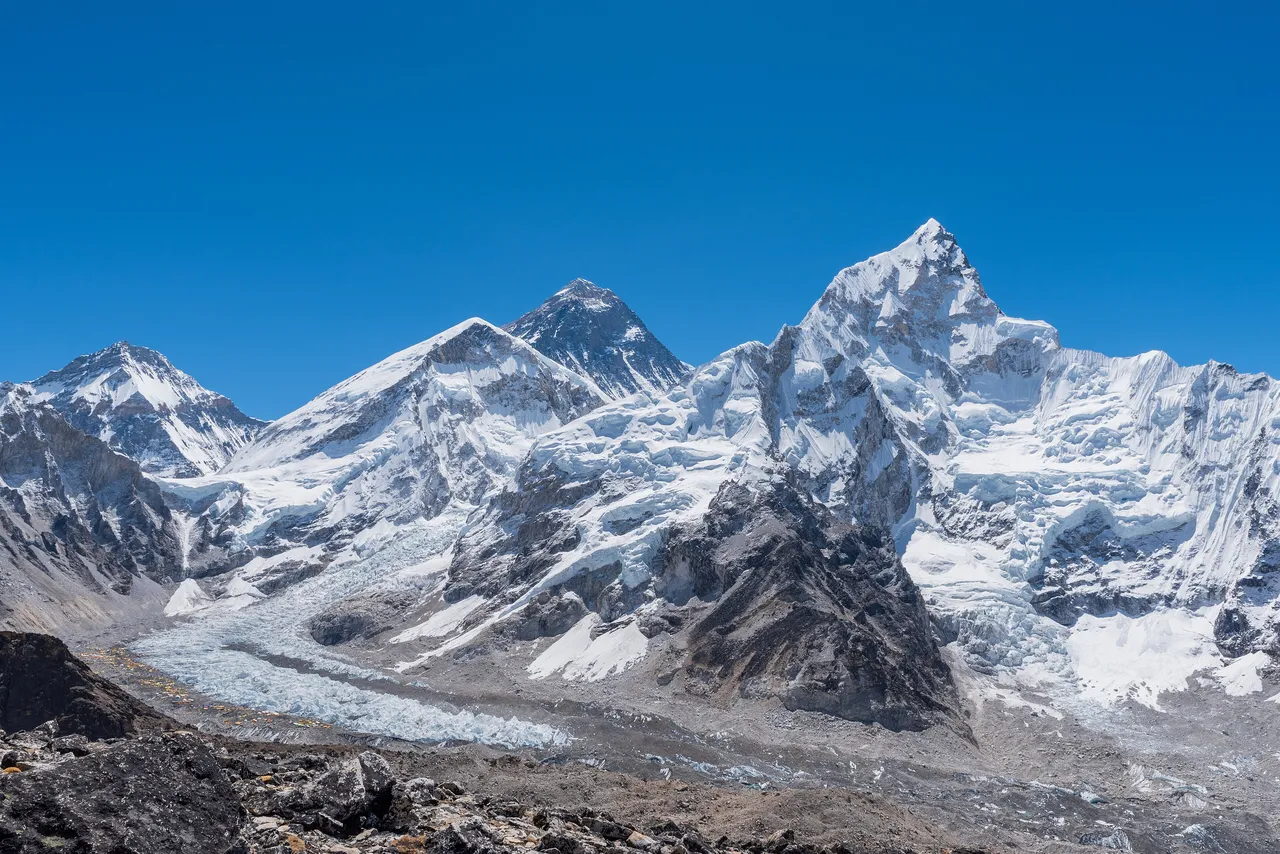
Mount Everest and Nuptse seen across the Khumbu glacier, Nepal
Khumbu Mahalangur Photo: Sunuwargr · CC BY-SA 4.0

02 Northern Kangchenjunga

Kangchenjunga

Kanchenjunga

8,586 m28,169 ft

The third highest on Earth, and the one that is still treated as sacred ground.

Kangchenjunga sits on the eastern border, and the first ascensionists deliberately stopped a few metres short of the summit out of respect for the mountain's place in Sikkimese belief — a tradition many parties still follow. From Nepal the approach runs up the remote Yalung valley, which is one of the great quiet walks of the eastern Himalaya.

First ascent
Brown & Band, 1955
Nepal route
Yalung face
Expedition length
About 7 weeks
Best months
May · October
Extreme altitude Discuss an expedition brief
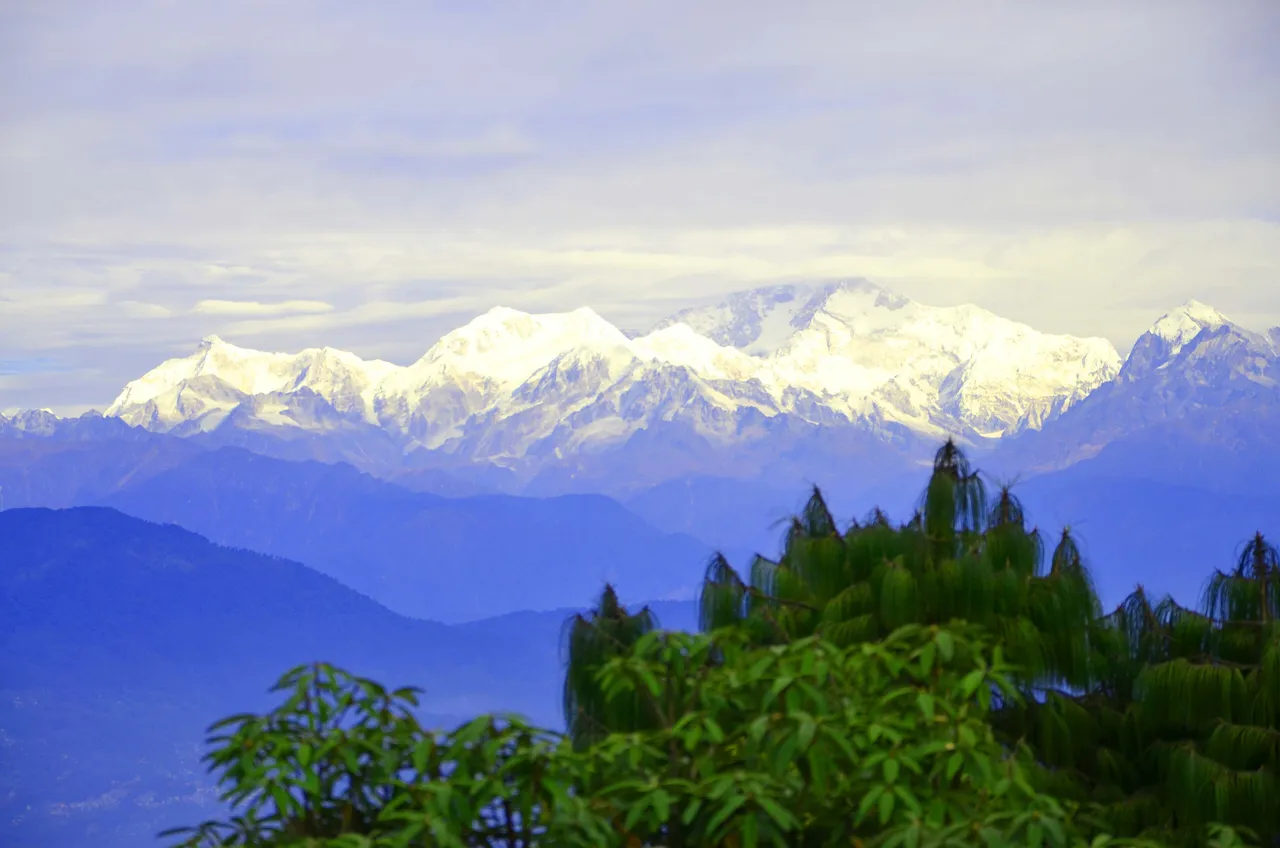
The Kangchenjunga massif rising above forested foothills in eastern Nepal
Northern Kangchenjunga Photo: Hasanuzzamanovi · CC0

03 Khumbu Mahalangur

Lhotse

Lhotse I

8,516 m27,940 ft

Everest's neighbour, and a harder climb than its height suggests.

Lhotse shares the walk-in with Everest and then leaves it: from the Western Cwm the route turns into the Lhotse Couloir, a steep funnel of ice and snow that demands a settled window. The summit is nine metres below eight and a half thousand, but the last stretch is exposed and technical in a way the South Col route is not.

First ascent
Reiss & Luchsinger, 1956
Nepal route
Lhotse Couloir
Expedition length
About 7 weeks
Best months
May · October
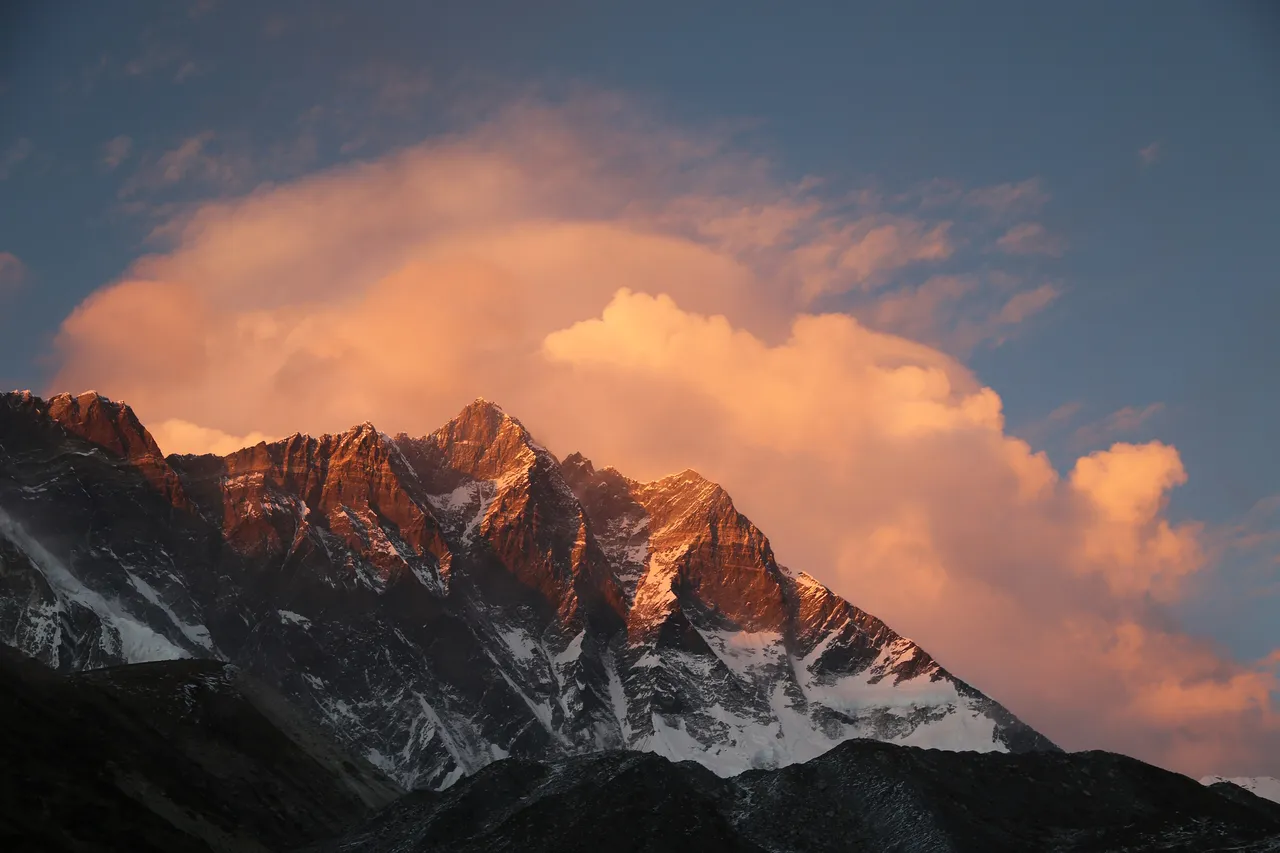
Sunset light on the south face of Lhotse, Nepal
Khumbu Mahalangur Photo: AceNotorious · CC BY-SA 3.0

04 Makalu Mahalangur

Makalu

Makaru

8,485 m27,838 ft

A four-sided pyramid that very few people have stood on.

Makalu's isolation is the point: the approach goes up the Barun valley, one of the deepest and most biodiverse valleys in the country, and the mountain itself is a symmetrical pyramid with ridges that give nothing away. Its summit count is a fraction of Everest's, and it stays that way for good reasons.

First ascent
Couzy & Terray, 1955
Nepal route
North-west ridge
Expedition length
About 8 weeks
Best months
May · October
Extreme altitude Discuss an expedition brief
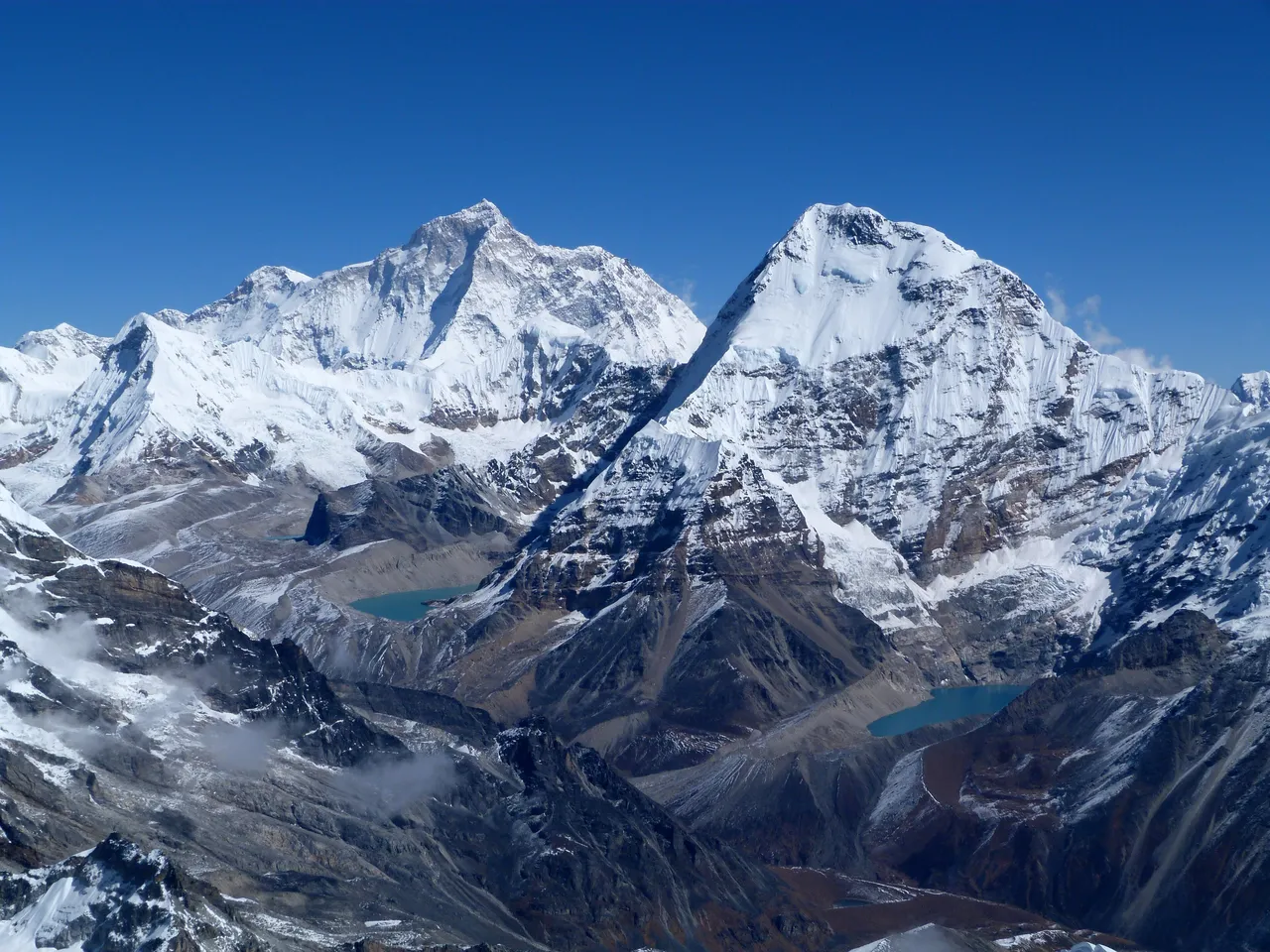
Makalu and Chamlang above the Barun valley in eastern Nepal
Makalu Mahalangur Photo: Craig Taylor · CC BY-SA 2.0

05 Khumbu Mahalangur

Cho Oyu

Qowowuyag

8,188 m26,864 ft

The gentlest of the eight-thousanders — and the one with a border in the middle of it.

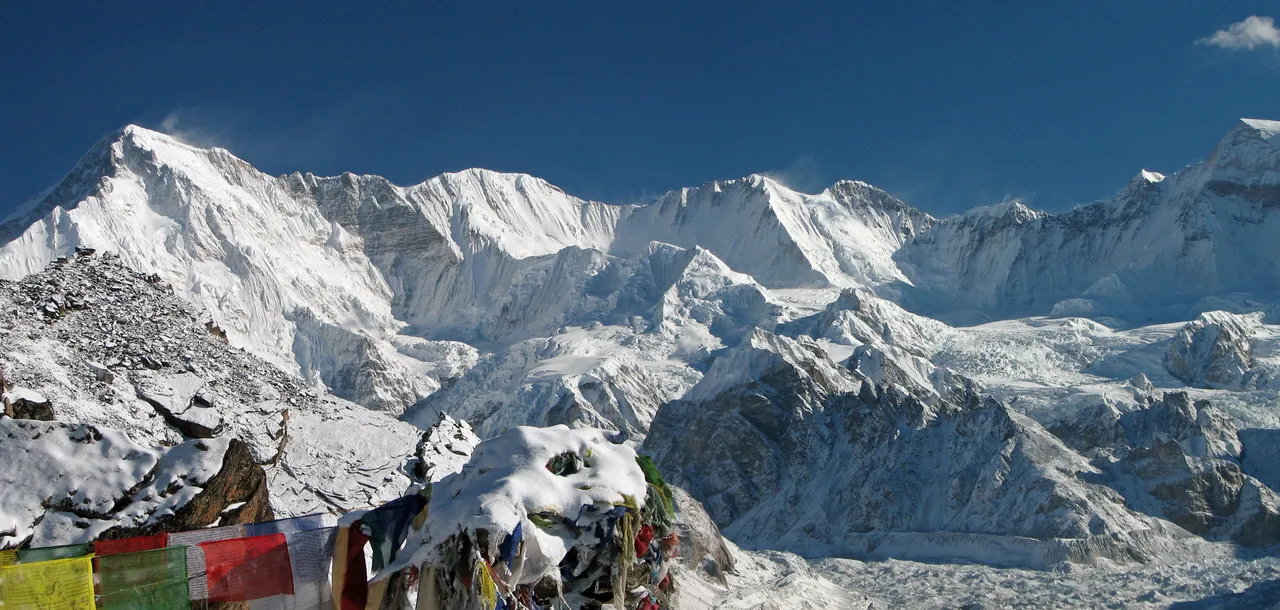
Cho Oyu's north-west face is the most moderate line on any 8,000 m peak, which is why it is often a first eight-thousander. The mountain stands on the frontier, and the standard climb approaches from Tibet through the Nangpa La; from Nepal it is a long, high walk to the foot of the face and a spectacular neighbour to the Gokyo lakes.

First ascent
Tichy, Jöchler & Lama, 1954
Nepal side
Nangpa La approach
Expedition length
About 6 weeks
Best months
May · October
Cho Oyu seen across the Ngozumpa glacier from Gokyo Ri, Nepal
Khumbu Mahalangur Photo: McKay Savage from London, UK · CC BY 2.0

06 Dhaulagiri Himal

Dhaulagiri I

Dhawalagiri

8,167 m26,795 ft

The white mountain: a wall of ice that drains the rain out of the sky.

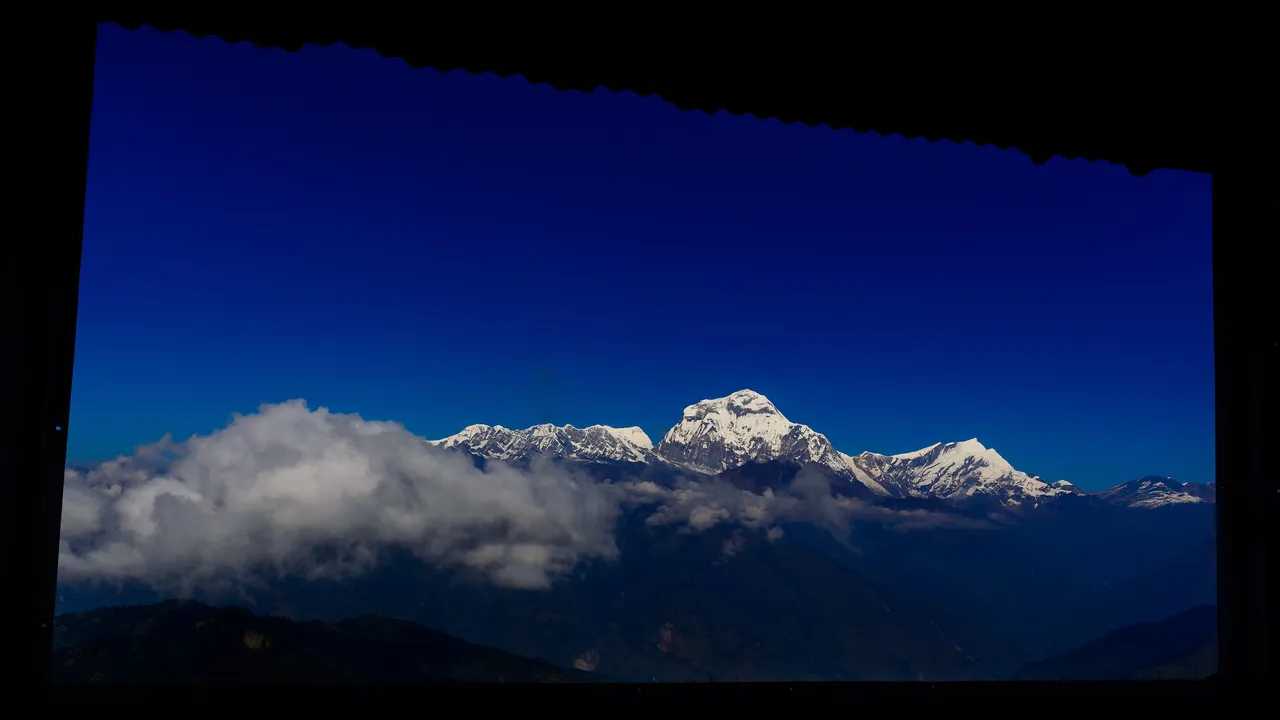
Dhaulagiri means "white mountain", and it earns the name — its massif intercepts the monsoon and leaves the Kali Gandaki valley behind it in rain shadow. The north-east ridge was considered impossible before 1960, and the mountain has a reputation for serious weather and long, committing ridges that has never really softened.

First ascent
Eiselin expedition, 1960
Nepal route
North-east ridge
Expedition length
About 7 weeks
Best months
May · October
The Dhaulagiri range at dusk above cloud, seen from the Annapurna region of Nepal
Dhaulagiri Himal Photo: Nrik kiran · CC BY-SA 4.0

07 Mansiri Himal

Manaslu

Mānāsulu

8,163 m26,781 ft

A perfect snow pyramid, and a valley that has kept its own calendar.

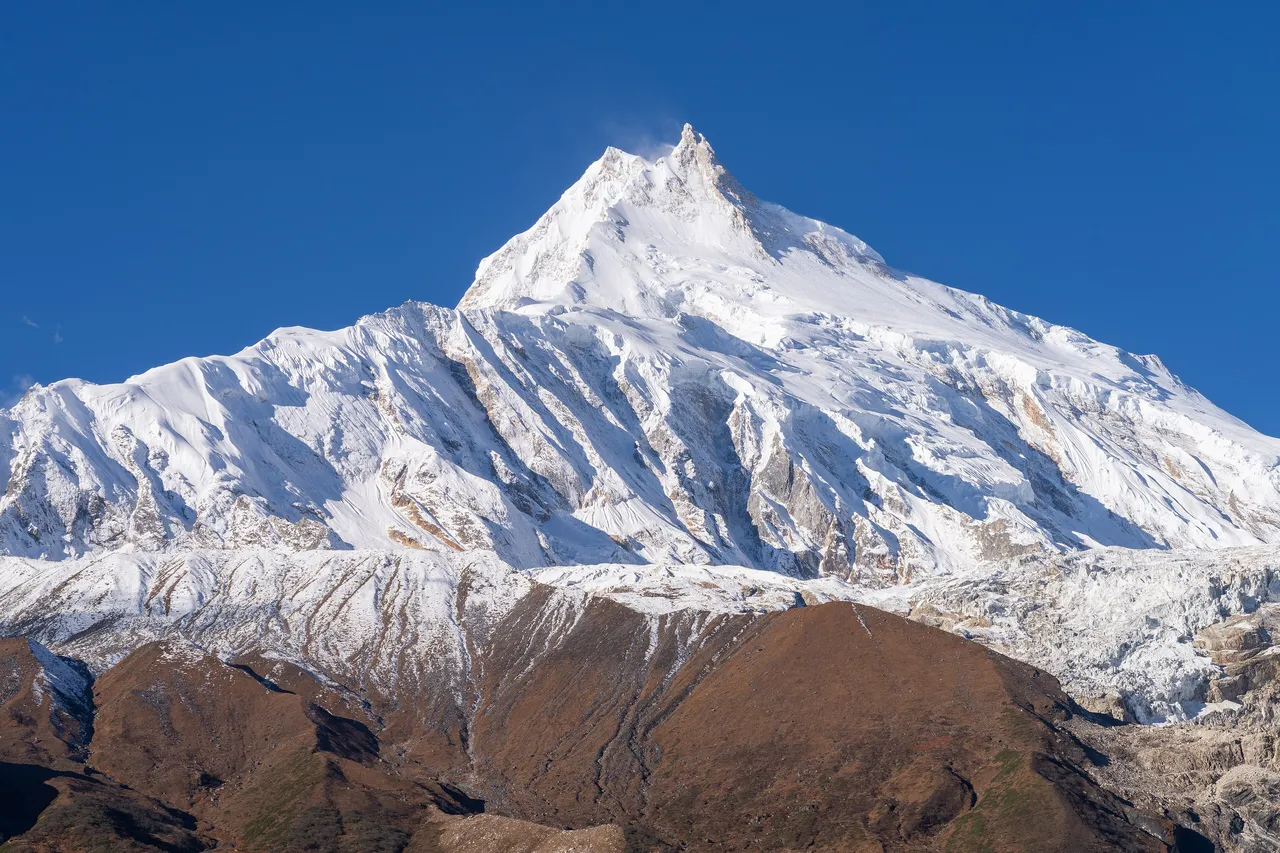
Manaslu is the highest peak of the Mansiri Himal and reads as a single white pyramid from the villages below. The approach crosses the Budhi Gandaki and climbs through Samagaun, in a region that was closed to outsiders for decades and still keeps a distinctive Nubri and Tibetan-Buddhist culture. It is a controlled area with its own permit rules.

First ascent
Imanishi & Norbu, 1956
Nepal route
North-east face
Expedition length
About 6 weeks
Best months
May · October
Extreme altitude Discuss an expedition brief
The summit of Manaslu above the Manaslu glacier, seen from Samagaun, Nepal
Mansiri Himal Photo: Sunuwargr · CC BY-SA 4.0

08 Annapurna Himal

Annapurna I

Annapūrṇa

8,091 m26,545 ft

The first eight-thousander ever climbed — and the most dangerous of them.

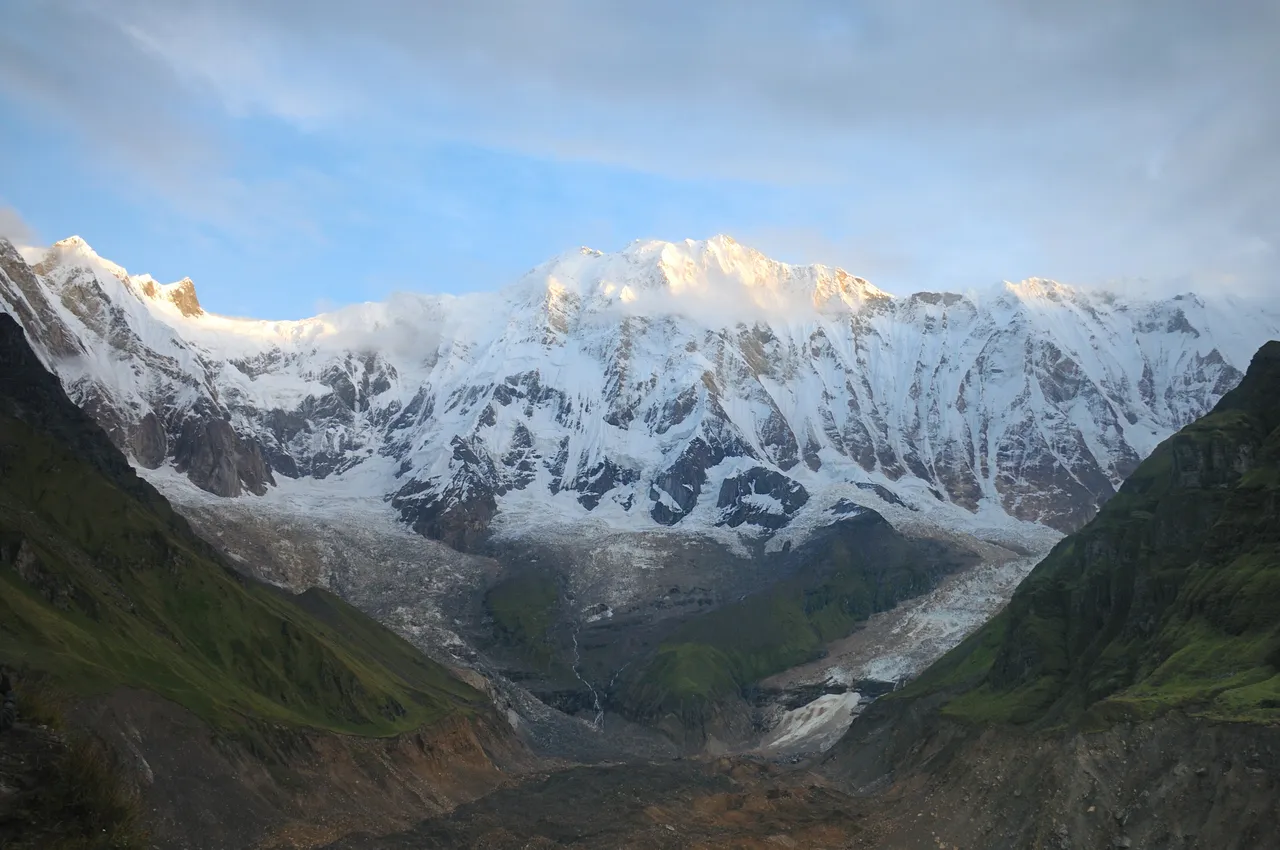
Annapurna I was climbed in 1950, six years before Manaslu and three before Everest, by a French expedition that had not expected to find a way. Its north face is steep, avalanche-prone and rarely in condition; the mountain is routinely measured as the eight-thousander with the highest ratio of deaths to summits, which is why the small number of teams that go keep returning to the same few weeks of the year.

First ascent
Herzog & Lachenal, 1950
Nepal route
North face
Expedition length
About 7 weeks
Best months
May · October
The south face of Annapurna I from Annapurna Base Camp, Nepal
Annapurna Himal Photo: Josep M. Gracia · CC BY-SA 4.0

The eight-thousanders of Nepal, highest first: Mount Everest, 8,848.86 m; Kangchenjunga, 8,586 m; Lhotse, 8,516 m; Makalu, 8,485 m; Cho Oyu, 8,188 m; Dhaulagiri I, 8,167 m; Manaslu, 8,163 m; Annapurna I, 8,091 m.

The list, in one place

Eight peaks,
highest first.

Scroll the table sideways on a narrow screen. Every row links back to its section on the rope.

Nepal's eight-thousanders, highest first. Heights are published summit figures; first ascents are historical records; expedition lengths are indicative.
Peak Height Range First ascent Nepal route Length Season
01Mount Everest 8,848.86 m Khumbu Mahalangur Hillary & Norgay · 1953 South Col About 8 weeks April–May · October–November
02Kangchenjunga 8,586 m Northern Kangchenjunga Brown & Band · 1955 Yalung face About 7 weeks April–May · October
03Lhotse 8,516 m Khumbu Mahalangur Reiss & Luchsinger · 1956 Lhotse Couloir About 7 weeks April–May · October
04Makalu 8,485 m Makalu Mahalangur Couzy & Terray · 1955 North-west ridge About 8 weeks April–May · October
05Cho Oyu 8,188 m Khumbu Mahalangur Tichy, Jöchler & Lama · 1954 Nangpa La approach About 6 weeks April–May · September–October
06Dhaulagiri I 8,167 m Dhaulagiri Himal Eiselin expedition · 1960 North-east ridge About 7 weeks April–May · October
07Manaslu 8,163 m Mansiri Himal Imanishi & Norbu · 1956 North-east face About 6 weeks April–May · September–October
08Annapurna I 8,091 m Annapurna Himal Herzog & Lachenal · 1950 North face About 7 weeks April–May · October

Nepal's 2025 peak register recognises fourteen mountains above 8,000 m, counting subsidiary summits such as Yalung Kang (8,505 m) and Annapurna I Middle Peak (8,051 m). This page follows the eight that are generally treated as independent summits.

What an expedition involves

The mountain is
the short part.

An 8,000 m expedition from Nepal is mostly logistics: a royalty permit from the Department of Tourism, a government liaison officer, national park and conservation-area fees, a full base-camp staff, and six to eight weeks of weather and acclimatisation around a summit window that may be a single morning.

Every team also carries a rubbish deposit that is returned if the mountain is left clean. Helicopter evacuation insurance, oxygen and a personal medical plan are normal expectations rather than optional extras, and above 7,000 m the decisions belong to the guides and the mountain.

01 · Permits

Royalty & liaison

Expeditions need a mountaineering royalty permit, arranged before arrival, and a liaison officer assigned by the government. Some massifs — Manaslu among them — sit in controlled areas with additional permits.

02 · Altitude

Weeks, not days

Above 8,000 m the body cannot acclimatise further. Teams rotate high, sleep low, and wait for a window: the climb itself is rarely more than a few days inside an eight-week stay.

03 · Season

Two short windows

Pre-monsoon spring, from late April into May, and a shorter post-monsoon window in autumn. Winter ascents exist, and are a different discipline entirely.

04 · Company

Who you climb with

Nepali guides, high-altitude workers and base-camp staff carry most of the route. Their judgement about weather, ropes and turn-around times is the final word on any commercial expedition.

Please read this as a demo. Prices, dates, availability and any enquiry you send through this site are illustrative; the brand is fictional and runs nothing. For real expeditions, check the operator's licence with the Nepal Department of Tourism and the peak rules published by the Nepal Mountaineering Association before paying anything.

Where to go next

Walk in first.
The rope can wait.

Most people who fall for these mountains never go above 6,000 m, and the valleys below them are the reason. The sample journeys walk to the foot of Everest, around Annapurna and through the Langtang — the classic approach to high country, at walking pace.